


Doing business without advertising is like winking at a girl in the dark. You know what you are doing, but nobody else does.
Stuart H. Britt
Many companies treat it as something that matters only during a major crisis: a product recall, a public complaint, a market slowdown, a supply-chain disruption, a leadership issue, a failed campaign or sudden negative news.
But the most resilient businesses do not begin preparing after a problem appears.
They build systems that make them harder to destabilise in the first place.
A resilient brand can respond quickly without sounding panicked. It can continue communicating when market conditions change. It can keep customers informed, partners aligned, employees motivated and sales channels active. It can protect trust even when demand slows, competition rises or uncertainty increases.
This is especially important for growing Indian businesses.
A company may be expanding into new cities, entering regional markets, building distribution networks, launching products, creating digital commerce channels or managing multiple stakeholders. Every new stage of growth brings opportunity, but it also creates more moving parts.
The question is not whether change will happen.
The question is whether the business will remain clear, visible and trusted when it does.
Resilience Begins Before the Crisis
The most important resilience work happens when everything appears stable.
Companies often wait until a negative review, customer complaint, leadership issue, supply disruption or public misunderstanding becomes visible. By that time, the response may already feel reactive.
A stronger approach is to decide in advance how the business will communicate under pressure.
Who speaks for the company? How quickly can the team approve a statement? Which customer channels need updates first? How will distributors, employees, investors and partners receive the same message? What information should remain public, and what should be handled privately?
A structured crisis management communication plan can help brands think through these questions before an urgent moment arrives.
The goal is not to create fear.
The goal is to create calm.
When a company knows how it will respond, it does not have to improvise every decision under pressure. It can act with speed, clarity and consistency. Customers may forgive a disruption, delay or mistake more easily than they forgive confusion.
A resilient brand does not pretend problems never happen.
It shows people that problems will be handled responsibly.
Leadership Alignment Is a Form of Risk Management
Many business disruptions begin internally.
A company may have a strong product and a clear market opportunity, but leadership teams can still lose momentum when priorities are unclear. Sales may be focusing on one audience while marketing is speaking to another. Partners may be expecting one rollout plan while internal teams are preparing something else. Employees may hear about a major change too late.
This creates unnecessary uncertainty.
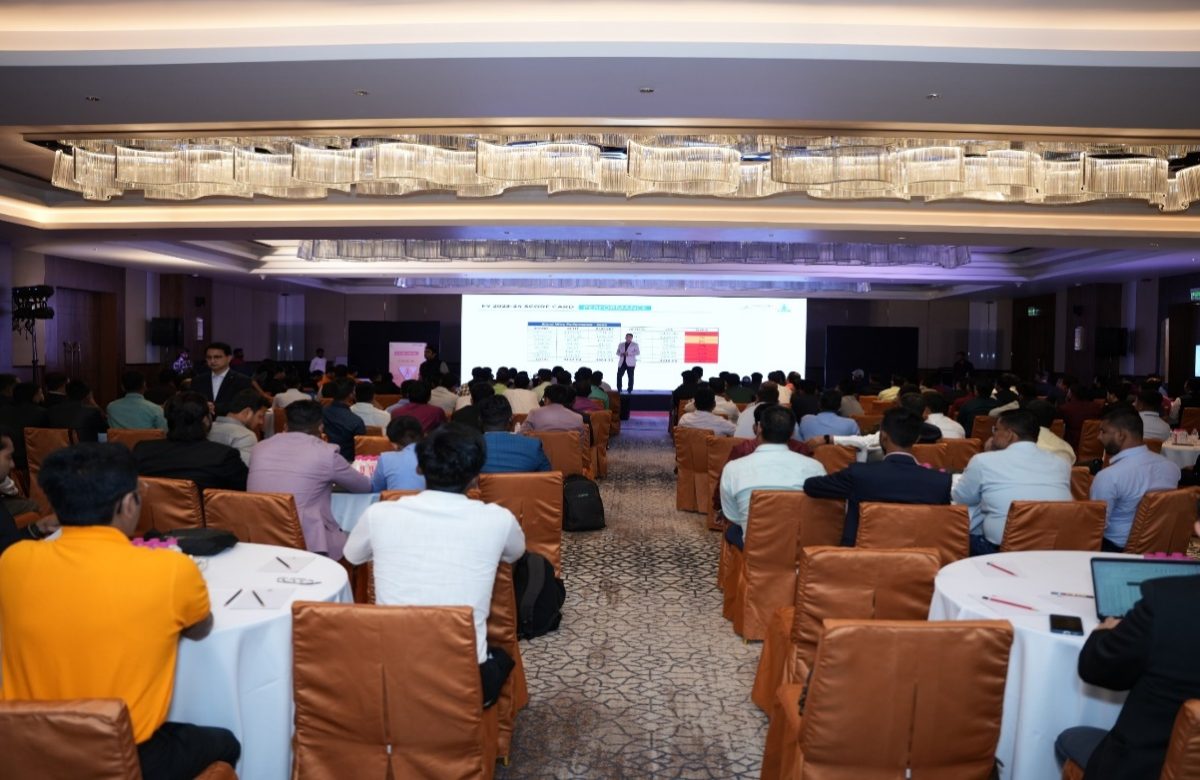
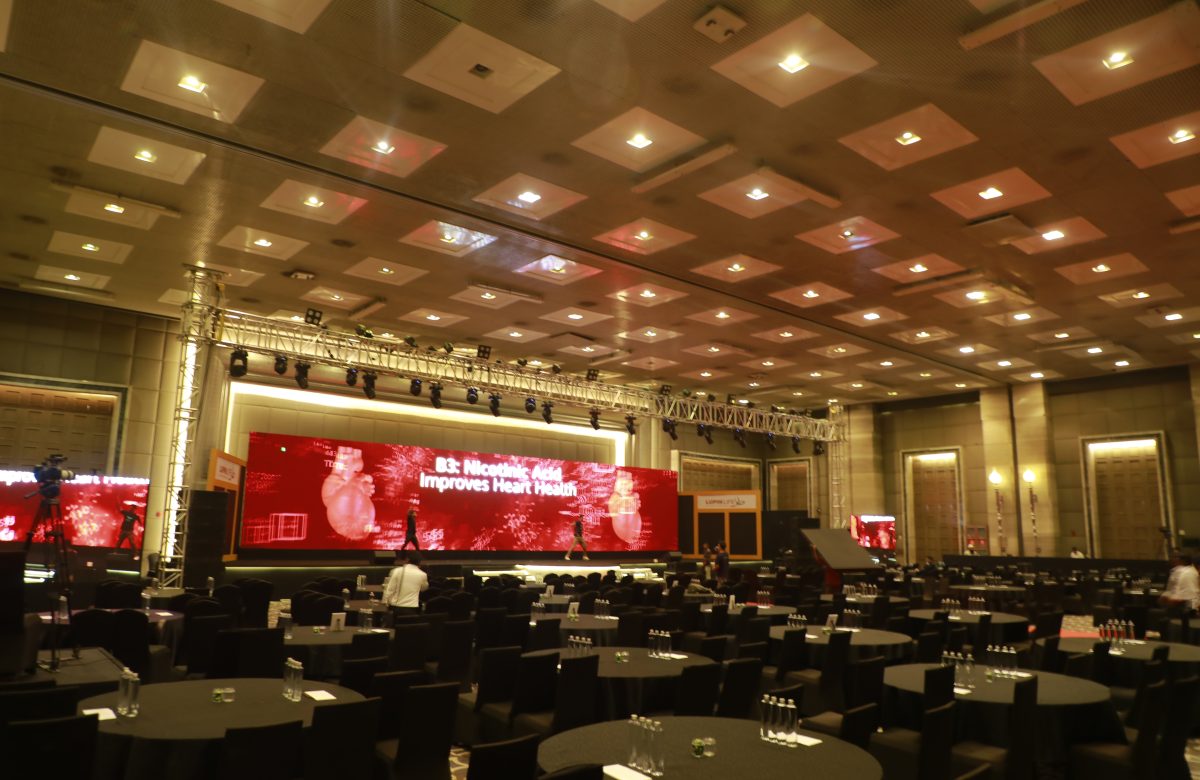
A strong business needs moments where key people can align around the future. This may happen through leadership meetings, partner events, annual gatherings, strategy offsites, investor forums, customer conferences or internal town halls.
A well-planned corporate event management framework can help turn these moments into more than presentations and applause.
The purpose of a business event should be clarity.
People should leave understanding what the company is trying to achieve, what is changing, what role they play and what the next stage of growth will require. When employees, partners and leaders understand the direction of the business, they are more likely to make better decisions between major meetings.
Resilience is not only about surviving external shocks.
It is also about preventing internal confusion from becoming an external problem.
Communication Must Continue Even When Conditions Change
During difficult periods, many brands become quiet.
They pause campaigns, reduce content, delay updates and stop speaking to customers because they are unsure what to say. In some situations, that silence can make the business appear less stable than it actually is.
Customers begin wondering whether the company is still active. Partners may question whether expansion plans have changed. Employees may feel uncertain. Distributors may look for reassurance elsewhere.
The answer is not to keep posting promotional messages as if nothing is happening.
The answer is to communicate with relevance.
A company may need to explain how it is supporting customers, maintaining quality, managing operations, adapting services or improving access. It may need to create founder updates, customer guidance, product explainers, internal communication clips, regional messages or campaign variations built around the new market reality.
A dependable video editing workflow for Hyderabad businesses can help teams turn one message into multiple useful formats across websites, social platforms, sales decks, customer emails, paid campaigns and internal channels.
The business does not need to produce a perfect film every time conditions change.
It needs to remain visible enough that customers know the brand is present, responsive and still moving forward.
Visual Clarity Helps People Understand Change
Some business changes are difficult to explain with words alone.
A manufacturer may be introducing a new process. A healthcare organisation may be redesigning a patient journey. A real-estate company may be showing a future development. A retailer may be opening a new store format. A technology company may be introducing a new product environment.
When people cannot clearly visualise what is changing, uncertainty grows.
This is where immersive content can become part of a resilience strategy.
A well-designed VR and 360-degree tour experience can help customers, employees, partners and investors explore a process, facility, product environment or future space before it is physically available to them.
For example, a company may use a virtual walkthrough to help distributors understand a new showroom concept. A property business may use it to keep customers engaged while a project is under construction. A healthcare organisation may use it to explain facilities before a patient visit. An industrial company may use it to show a process without bringing every stakeholder to the site.
The more clearly people can see the future, the easier it becomes for them to support it.
Business resilience often depends on reducing uncertainty before it becomes resistance.
Trust Is Built Through Community Behaviour
A brand is not judged only by its advertising.
It is also judged by how it behaves when people around it are under pressure.
Customers notice whether companies respond with empathy during difficult moments. Employees notice whether leadership protects people when uncertainty rises. Communities notice whether businesses disappear when conditions become challenging or remain useful.
This does not mean every company needs to become a relief organisation.
It means every company should understand that trust grows when actions match values.
The cause-specific communication principles used for disaster relief and resilience campaigns are valuable for commercial brands as well. In sensitive situations, people respond better to practical information, respectful messaging, real support and transparent communication than exaggerated promises.
A company may support local relief efforts, extend help to employees, create flexible customer policies, work with local suppliers, support small retailers, provide useful education or communicate clearly about service availability.
The action should come first.
The communication should simply help people understand what is being done.
When brands behave responsibly during difficult periods, they build a level of loyalty that short-term advertising cannot create.
Public Awareness Builds Long-Term Confidence
Some resilience challenges are not directly about the company.
They are about the wider environment in which the company operates.
A healthcare business may need to educate people about prevention. A financial company may need to explain safe decision-making. A consumer brand may need to help customers understand quality, safety or responsible use. A technology company may need to explain a new category before customers feel ready to adopt it.
This is where public-awareness communication becomes useful.
A thoughtful TV9 public awareness campaign can help brands contribute to useful conversations through formats that focus on education, relevance and regional reach.
The strongest awareness campaigns do not simply repeat the brand name.
They create value for the audience.
They answer questions. They reduce fear. They explain what people should consider. They make a complex topic easier to understand. They help customers feel more informed before making an important decision.
When people learn something useful from a brand, they begin to trust the brand behind the message.
That trust can become especially valuable during uncertain market conditions.
Familiarity Can Protect a Brand During Tougher Times
When budgets tighten, people become more careful about the brands they choose.
They may delay purchases, compare options more closely, rely more heavily on familiar names or ask family members for recommendations before spending.
This is why household familiarity matters.
A brand that has been visible consistently over time often has an advantage when customers begin evaluating choices more carefully. The company may not have the lowest price, but it feels known. It feels less risky. It feels easier to trust.
A broad-reach Zee Anmol advertising strategy can help brands build familiarity among audiences that respond strongly to recurring entertainment environments and everyday household communication.
The objective is not always immediate conversion.
Sometimes the goal is memory.
When customers repeatedly encounter a business in a familiar context, they are more likely to remember it when they need the product, service or information later.
Resilient brands do not only chase demand when it appears.
They build familiarity before demand becomes urgent.
News Context Can Help Brands Communicate With Credibility
There are moments when a company needs more than a social-media update.
A major announcement, business milestone, service expansion, leadership message, market-entry plan or public clarification may need a more credible communication environment.
The context around the message can influence how the audience receives it.
A company speaking through a news-led platform may be perceived differently from one publishing only a promotional post. The audience may pay closer attention to the business story, understand the wider significance of the announcement and see the brand as more established.
A focused ABP News advertising campaign can support businesses looking to communicate in an environment shaped around news, public interest, business developments and audience trust.
The message should still be useful.
A brand should not use a news environment to make exaggerated claims. It should use the opportunity to provide clarity, context and relevance.
During uncertain periods, customers and partners are often looking for signals that a company is stable, organised and prepared.
Clear communication in the right environment can become one of those signals.
Local PR Can Help Protect Reputation Before Rumours Spread
A resilient business should not rely only on advertisements.
It should also understand the role of reputation.
Local media, regional publications, community conversations, industry writers and business networks can all influence how people talk about a company. A brand that communicates only when it needs sales may struggle to explain itself when a misunderstanding or market concern begins circulating.
A structured PR and media coverage strategy for Maharashtra and Goa can help businesses create a more consistent local communication presence.
This may include sharing important company updates, explaining market expansion, highlighting new facilities, presenting founder views, communicating community initiatives or building visibility around useful industry information.
The goal is not to flood the media with announcements.
The goal is to create a credible record of activity.
When people search for a business, speak to a distributor, hear a local rumour or compare different companies, that record matters.
It gives the brand something real to point to.
It also makes it easier for the company to shape its own story before someone else does it for them.
Digital Resilience Requires Regional Relevance
A digital strategy can look strong on paper but still fail if it does not reflect how people in different markets actually consume information.
Hindi-speaking audiences, for example, are not one uniform group. People in Delhi, Lucknow, Jaipur, Kanpur, Indore, Bhopal, Patna and Gurugram may respond to different formats, creators, platforms, offers and types of proof.
This is why digital resilience requires more than running the same campaign nationally.
A brand needs the ability to adapt quickly.
A practical Hindi digital advertising strategy can help businesses think about regional content, digital news environments, audience targeting, creator-led communication and city-specific campaign relevance.
The strongest digital systems are flexible.
They can change hooks when customer behaviour changes. They can create new landing pages for different cities. They can shift budget toward the markets responding best. They can test different product messages without rebuilding an entire campaign from the beginning.
Resilience in digital marketing is not about predicting every change.
It is about being able to respond faster when change arrives.
Maharashtra Requires Industry-Specific Planning
Maharashtra is one of India’s most important markets for consumer brands, education companies, healthcare providers, real-estate businesses, finance products, technology companies and local services.
But the market is not one audience.
Mumbai, Pune, Nagpur, Nashik, Thane, Navi Mumbai, Kolhapur and Chhatrapati Sambhajinagar each have different customer behaviour, media habits and business contexts.
For this reason, resilience in Maharashtra depends on having more than a broad campaign.
It requires industry-fit planning.
A structured Marathi industry advertising approach helps businesses think about how different sectors can create local relevance through Marathi television, print, radio, digital media, entertainment, regional news and city-specific communication.
A financial business may need trust and clarity.
A healthcare provider may need education and reassurance.
A retail brand may need high-frequency visibility and local availability.
A real-estate project may need credibility, timing and city-level lead generation.
The stronger the fit between the category, customer and media environment, the more durable the campaign becomes.
Resilience does not always come from spending more.
Often, it comes from spending with greater relevance.
Commerce Continuity Protects Revenue When Customer Behaviour Shifts
Many brands prepare carefully for awareness but not enough for availability.
A campaign may create interest, social content may generate curiosity and regional media may build trust. But if the product is unavailable, poorly listed, difficult to understand or hard to order, the business loses momentum at the final stage.
This becomes particularly important during periods when customer behaviour changes quickly.
People may shift from retail stores to delivery platforms. They may expect faster availability. They may compare products through mobile thumbnails. They may make buying decisions in minutes rather than days.
A practical quick-commerce consulting strategy for FMCG brands can help businesses prepare product listings, packaging, pricing, bundles, launch sequences and distributor paths for this kind of fast-moving commerce environment.
The customer does not separate supply chain problems from marketing problems.
They only know whether the product was available when they wanted it.
A resilient brand creates backup options.
It thinks about retail, quick commerce, D2C, distributors, regional availability and customer communication before demand peaks. It makes sure the product is understandable on a screen, clear in a store and easy to reorder after the first purchase.
The best campaign cannot save a weak purchase experience.
But a strong commerce system can help a brand recover faster from market disruption.
Final Thoughts
Business resilience is not a document stored in a folder.
It is the ability to keep moving when conditions change.
It is knowing how to communicate during pressure. It is aligning leadership before confusion spreads. It is creating content that can adapt quickly. It is helping customers visualise change. It is behaving responsibly in communities. It is building trust through public awareness, credible media, regional relevance and reliable availability.
The businesses that remain strong over time are not necessarily the ones that avoid every problem.
They are the ones that recover trust faster.
They remain visible when competitors become quiet. They stay useful when customers become uncertain. They keep communication clear when markets become noisy. They make it easy for people to understand what is changing and what will remain dependable.
That is what makes a brand resilient.
Not simply surviving disruption.
But becoming more trusted because of the way it responds.